One of the most common questions people have right after wisdom teeth removal isn't about pain management or swelling, it's "what can I actually eat?" It's a reasonable thing to fixate on. Eating is one of the few normal daily activities that gets genuinely complicated when your mouth is sore, swollen, and trying to protect a healing extraction site.
Here's a practical, day-by-day look at what tends to work, what to avoid, and why certain foods matter more at different stages of recovery.
Why Food Choices Matter So Much Right Now
After an extraction, a blood clot forms in the socket where the tooth used to be. That clot is doing important work, it protects the underlying bone and nerve while new tissue grows in. Anything that dislodges it, whether that's aggressive chewing, suction from a straw, or hard food fragments getting lodged in the area, can lead to a painful complication called dry socket.
So the food guidance after wisdom teeth removal isn't just about comfort. It's about giving that clot the best possible chance to stay put while your mouth heals.
The First 24 Hours: Cold, Soft, and Simple
Right after the procedure, and for the rest of that first day, stick to foods that require zero chewing and won't irritate the extraction sites.
Good options include:
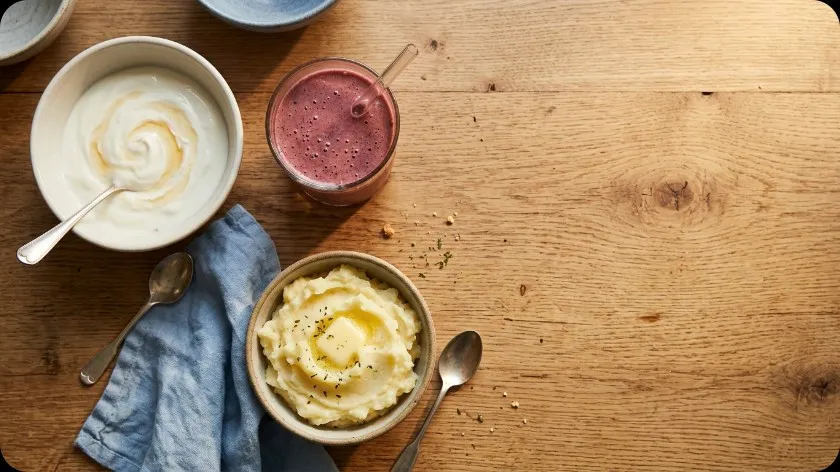
- Smoothies (eaten with a spoon, not sipped through a straw)
- Plain yogurt
- Applesauce
- Mashed potatoes, cooled to room temperature
- Pudding or gelatin
- Cottage cheese
Cold and cool foods are especially helpful in these first hours since they can soothe swelling a bit, similar to how an ice pack helps on the outside. Avoid anything hot during this window too, since heat can increase bleeding and swelling right when your mouth needs calm.
Days 2 to 3: Still Soft, Slightly More Variety
As the initial numbness wears off and you get a better sense of how your mouth feels, you can start introducing a few more soft foods, as long as they don't require real chewing near the extraction sites.
Reasonable additions at this stage:
- Scrambled eggs
- Oatmeal, cooked soft and not too hot
- Mashed or pureed soups (think butternut squash or tomato, served warm, not hot)
- Soft fruits like bananas or ripe avocado
- Macaroni and cheese, well-cooked and cut small
- Hummus
This is also a good window to make sure you're actually eating enough. It's easy to under-eat during recovery simply because chewing feels like a chore, but your body benefits from steady nutrition while it heals. Smoothies with added protein powder or nut butter (if tolerated) can help fill gaps without requiring any chewing at all.
Days 4 to 7: Easing Back Toward Normal
By the second half of the first week, many people feel comfortable adding slightly heartier foods, though it's still smart to favor the side of your mouth that wasn't treated, if only one side was involved, and to chew carefully.
Foods that often work well here:
- Well-cooked pasta
- Soft-cooked vegetables
- Ground meats in a soft preparation, like a mild meatloaf or soft meatballs
- Soft-cooked rice dishes
- Pancakes or soft bread, if it's not causing discomfort
Your own healing pace should guide this more than a calendar. If something feels uncomfortable, back off and give it another day or two before trying again.
Foods and Drinks to Avoid While Healing
A few categories are worth skipping for longer than you might expect, generally for the first week or so, sometimes longer depending on your dentist's guidance:
- Crunchy foods: chips, crackers, popcorn, and granola can leave sharp fragments that get stuck in the healing socket
- Nuts and seeds: small enough to lodge in the extraction site and hard enough to irritate it
- Spicy foods: can irritate healing gum tissue and cause real discomfort
- Acidic foods and drinks: citrus fruits, tomato-based sauces, and carbonated soft drinks can sting
- Alcohol: can interact with pain medication and may slow healing
- Anything that requires a straw: the suction motion can dislodge the healing blood clot, straw or no straw it's really the sucking motion that's the issue, so sipping carefully from a cup is safer
- Chewy or sticky foods: caramel, gum, and tough breads can pull at the extraction site
- Very hot foods and drinks: can increase swelling and bleeding, especially in the first couple of days
A Note on Hydration
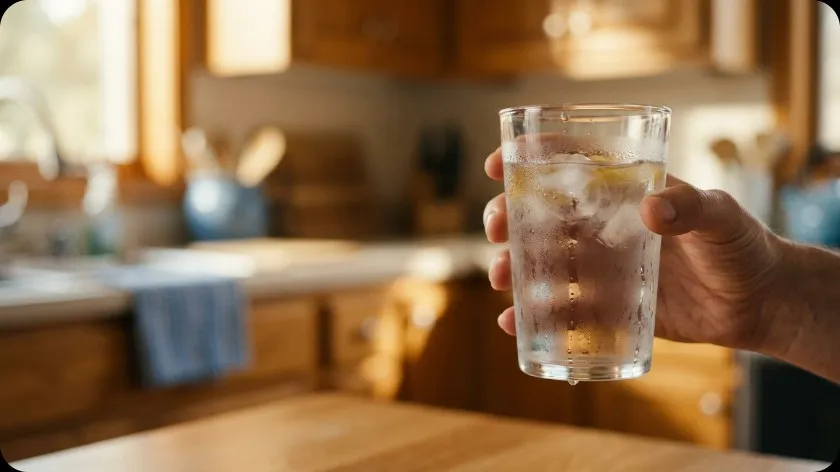
Staying hydrated matters just as much as what you eat, maybe more in the first day or two when eating feels hardest. Water is the safest choice. If plain water feels uncomfortable against sensitive teeth or gums, a lukewarm (never hot) herbal tea can be a gentle alternative, just avoid anything too acidic or caffeinated in excess.
When to Reintroduce Regular Food
There's no single switch that flips back to "eat anything." Most people find they can gradually return to their normal diet somewhere around one to two weeks out, starting with softer versions of regular meals and working up to things like raw vegetables, crusty bread, or nuts as the extraction sites feel fully settled.
If you're still having real difficulty chewing, ongoing pain when eating certain textures, or any lingering soreness well beyond the first couple of weeks, it's worth checking in with your dentist. Healing timelines vary based on how many teeth were removed, whether they were impacted, and your own body's pace, so there's no shame in going slower than you expected.
The short version: cold and soft for the first day or two, gradually adding texture as things feel better, and steering clear of crunchy, spicy, acidic, or sticky foods until your dentist gives you the green light to eat normally again.
Find a dentist in your city
Browse verified clinics, compare services, and see which ones take new patients.
Find a clinic